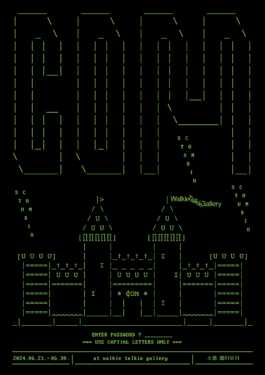
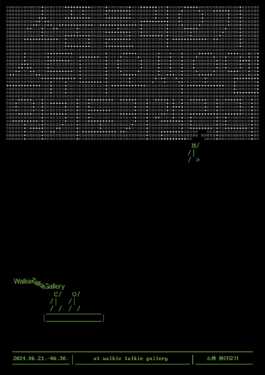
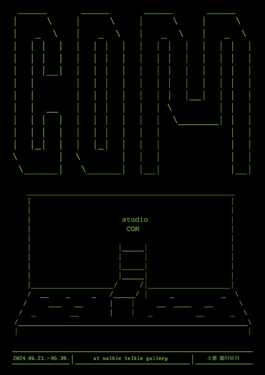
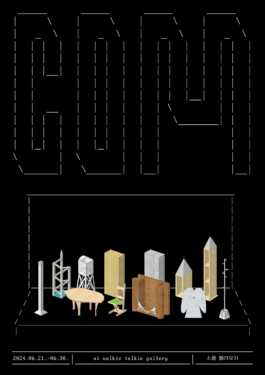
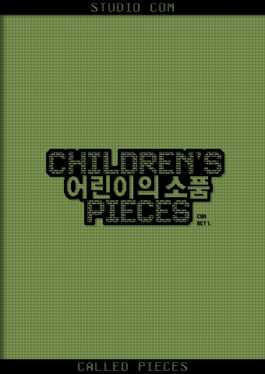
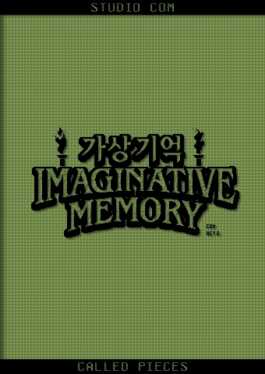
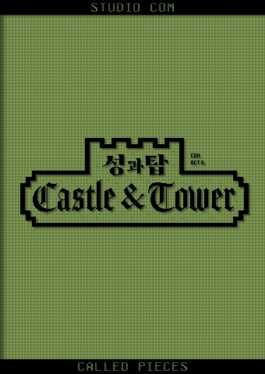
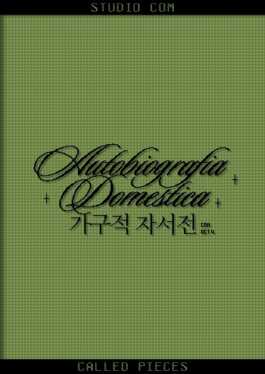
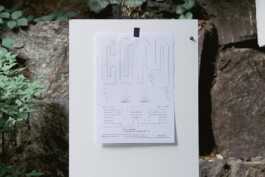
↳ ASCII로 축조된 풍경.
키보드의 출력이 모여 성이 되고, 무대가 되고, 시스템이 된다.
A landscape built in ASCII.
Keystrokes gather into a castle, a stage, a system.
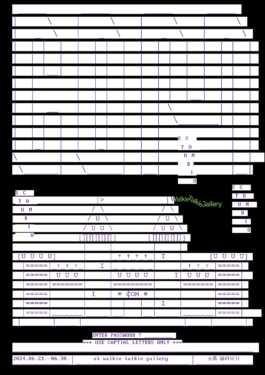
↳ 이 포스터는 오직 텍스트로만 이루어져 있다.
텍스트를 드래그하면, 포스터는 복사 가능한 코드가 된다.
복사된 코드는 어디에든 다시 붙여 넣을 수 있으며, 다시 포스터로 되살아난다.
This poster exists only as text. Drag it, and it becomes code.
Paste it, and it becomes a poster again.


스튜디오 씨오엠: 소품불러오기
studio COM: Called Pieces
client: Walkie Talkie Gallery
media: poster, video
year: 2024
curator: LIM Nari
graphic design: hongbaksa
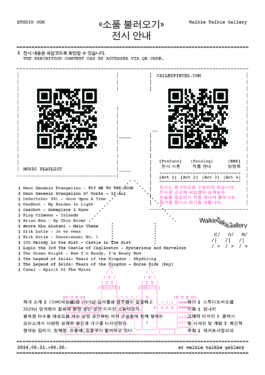
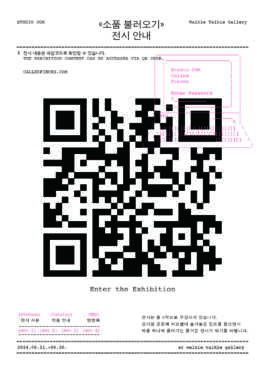
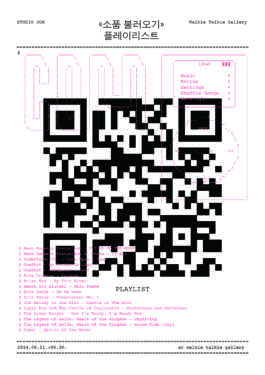
이 포스터 시리즈의 그래픽은 그려진 것이 아니라 타이핑된, 쓰여진 것이다. 'COM' 로고, 성벽과 첨탑, 무대의 격자 모두 키보드로 한 글자씩 입력된 ASCII 텍스트의 집합이다. 따라서 포스터 PDF의 어느 부분이든 드래그하면 그대로 텍스트로 복사된다.
ASCII는 텍스트와 특수문자만으로 이미지를 흉내내는 방식이자, 숨겨진 메시지를 실어 나르는 매체로 쓰이기도 했다. 그래픽과 텍스트 사이의 관습적 경계를 흐리며, 일종의 암호이자 새로운 해석의 기회를 제공한다. 동시에 디자이너의 기억 범주에 속하는 80–90년대 컴퓨팅 모드 — DOS, 명령창, PC통신, 초기 RPG의 던전 — 를 호출하는 매체이기도 하다.
포스터는 각각 다른 시점에서 전시를 부른다. 시스템 메뉴, 로딩 화면, 무대 도면. 이미지가 곧 텍스트이고, 텍스트는 어디로든 호출되어 다시 살아난다. 전시의 키워드 불러오기를 가장 직접적으로 구현한 시각 전략이다.
전시는 네 개의 막으로 전개되며, 각 막은 고유한 풍경을 가진다. 디자이너의 기억은 단일한 시대나 매체에 머물지 않는다. 어린 시절의 그림책에서 8비트 RPG의 던전, 중세풍 성채, 그리고 한 권의 자서전에 이르기까지, 여러 장르와 시대를 가로지르는 모드의 컬렉션으로 존재한다. 각 챕터 타이틀은 그 막에 어울리는 장르적 활자 양식을 차용한 게임 타이틀 디자인으로 구성되었다. 1막에서 4막으로 이어지는 활자의 여정은, 공적인 게임 화면에서 사적인 자서전으로 점진적으로 이동하는 전시 전체의 호흡과 호응한다. 각 타이틀은 그 자체로 하나의 로딩 스크린이자 장막이다.
The graphics of this poster series are not drawn but typed—written. The "COM" logo, the ramparts and spires, the grid of the stage—all are sets of ASCII text entered one character at a time on a keyboard. Drag any part of the poster PDF, and it copies as text. ASCII simulates images using only letters and symbols, and has also long served as a vehicle for hidden messages. It blurs the conventional boundary between graphic and text, offering both a kind of cipher and an opening for new interpretation. At once, it is a medium that calls back the 80s–90s computing modes that belong to the designer's memory—DOS, command lines, PC communication networks, and the dungeons of early RPGs. The posters call the exhibition from different vantage points: the system menu, the loading screen, and the stage plan. Image is text, and text can be called anywhere to come alive again. This is the most direct visual embodiment of the exhibition's central gesture—calling.
The exhibition unfolds in four acts, each with its own landscape. A designer's memory does not settle in a single era or medium. From childhood picture books to the dungeons of 8-bit RPGs, from medieval citadels to the pages of an autobiography, it exists as a collection of modes spanning genres and eras. Each chapter title is designed as a game title, borrowing the typographic conventions of its act's genre. The typographic journey from Act I to Act IV mirrors the exhibition's overall arc—a gradual shift from the public surface of the game screen to the private interior of the autobiography. Each title is at once a loading screen and a curtain.
© 2003– hongbaksa. All rights reserved.